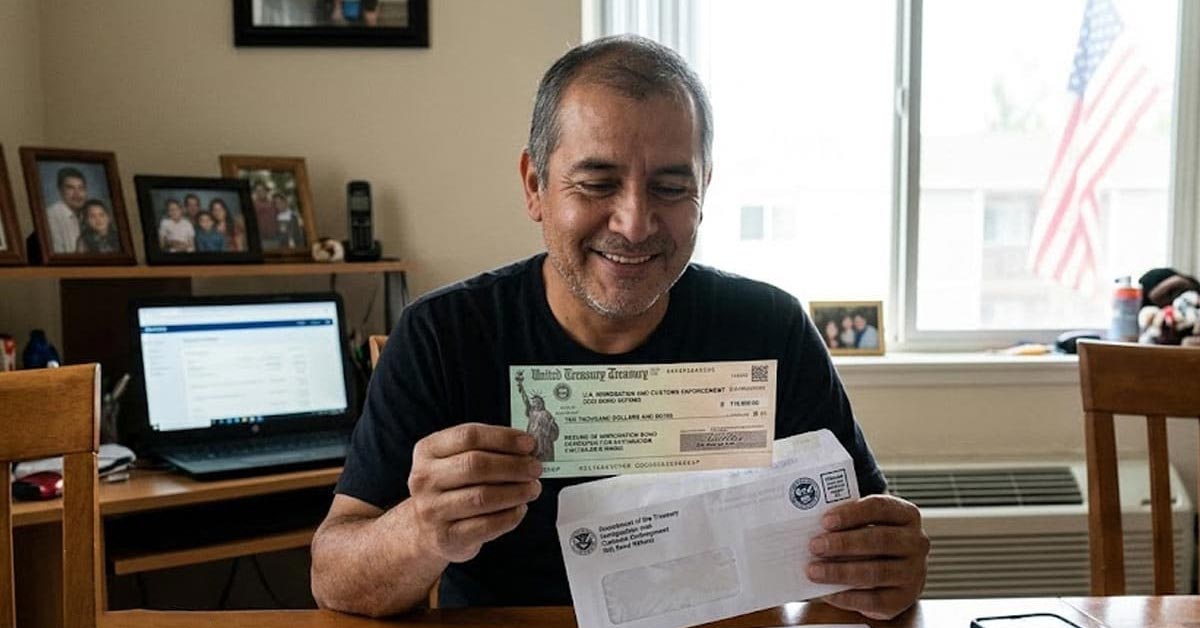

The ICE bond paid to secure release from U.S. immigration detention centers operates as a legal deposit to guarantee court appearances, not a federal penalty. Upon the official closure of an immigration court (EOIR) case, the federal government must return this sum, typically ranging from $5,000 to $25,000, to the legal sponsor (Obligor). Yellow Law Group recovers lost, misrouted, or undocumented bond funds directly from the Department of Homeland Security (DHS) bureaucracy through targeted legal intervention.
Conditions for an Immigration Bond Refund
The government releases locked funds strictly when the immigration case officially concludes and the noncitizen complies with all bond conditions, including attending every hearing. The following legal scenarios trigger the refund process:
- Winning the Case: The immigration judge grants asylum or lawful permanent resident (Green Card) status.
- Voluntary Departure: The individual formally proves departure from the U.S. within the timeframe mandated by the judge.
- Deportation: The sponsor receives the refund even if the individual loses the case and faces removal, provided the immigrant surrenders to ICE authorities without fleeing.
The Legal Refund Mechanism: Form I-391 and Form I-305
The federal government does not automatically wire funds to a bank account upon case closure. A strict paper trail dictates the process between ICE and the DHS Debt Management Center. ICE mails Form I-391 (Notice - Immigration Bond Cancelled) to the registered address of the sponsor. The document serves as the government's official release of the funds. Claiming the refund requires mailing this cancellation notice alongside the original ICE-issued receipt, Form I-305 (Receipt of Immigration Officer), directly to the federal center.
Lost Original Receipt (Form I-305): Securing Your Funds
Immigration proceedings often span years. Losing, destroying, or misplacing the original receipt during long trials represents a frequent legal crisis. The government actively denies claims missing original paperwork. Missing the receipt does not invalidate the refund right. Our attorneys initiate the Form I-395 (Affidavit in Lieu of Lost Receipt) process. Executing this sworn affidavit under penalty of perjury and matching it against ICE archives remains the sole legal formula to rescue lost funds.
Refund Recipient: Sponsor vs. Immigrant Confusion
Ignorance regarding the legal payee causes severe delays in bond recoveries. Federal law strictly prohibits issuing the refund check to the released immigrant following a successful bond hearing. The U.S. Treasury issues the check exclusively to the legal sponsor (Obligor) who physically visited the ICE office and signed the original paperwork. Failure to update the Obligor's address with ICE results in tens of thousands of dollars lost in the mail system.
| Bureaucratic Crisis | DHS/ICE Consequence | Yellow Law Legal Strategy |
|---|---|---|
| Sponsor Fails to Report Address Change | Form I-391 goes to old address; check becomes undeliverable. | File Form I-333 for immediate address update and request retroactive document issuance. |
| Lost Original Receipt (Form I-305) | Debt Management Center outright rejects the refund claim. | Draft and submit the Form I-395 Sworn Affidavit to shield the claim legally. |
| Death of the Sponsor (Obligor) | Funds remain locked by the government; check cannot be cashed. | Submit probate court documents and estate records to transfer funds to legal heirs. |
Navigate the Bureaucratic Maze
The federal government collects detention center bonds immediately but processes refunds with extreme reluctance. Waiting on hold for hours, mailing documents to incorrect offices, or facing rejections due to incomplete forms delays your capital recovery for years.
Do not abandon thousands of dollars once your immigration case closes. Contact Yellow Law Group to locate missing receipts, execute official address updates, and legally extract your funds from the federal system.