
Reviewed by: Mustafa Akkuş Chief Financial Officer — Last reviewed: September 7, 2026
Dual Citizenship: Securing Your U.S. Passport Without Surrendering Your Roots
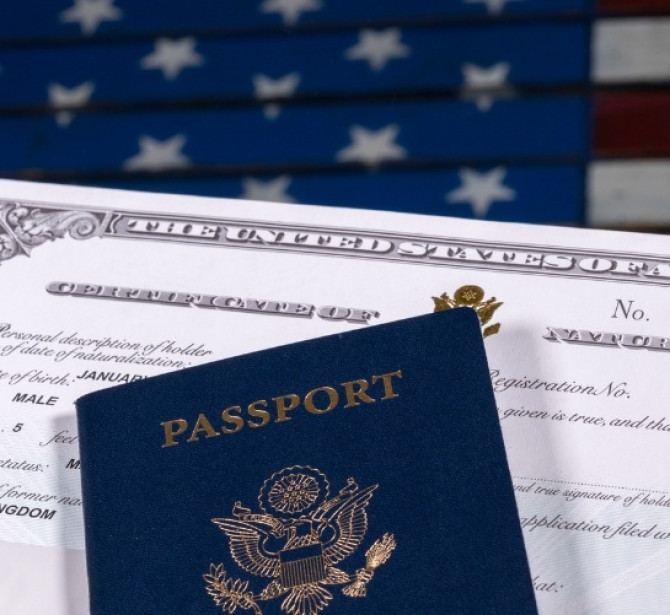
Holding a United States passport is the ultimate legal shield. It permanently blocks deportation, grants you the absolute right to vote, and secures your family's future across generations. Securing that shield should not force you to sever ties with the country of your birth. The U.S. government tolerates dual citizenship, but achieving it requires threading a highly dangerous legal needle. Foreign governments often strip you of your native passport the moment you swear the U.S. Oath of Allegiance. Minor errors in your past can trigger unexpected naturalization denials. At Yellow Law Group, we engineer your transition to dual citizenship flawlessly. We aggressively dismantle the roadblocks blocking your U.S. naturalization while deploying transnational legal strategies to protect your original citizenship and your global assets.
Our naturalization attorneys across Texas, California, Chicago, and New Jersey act as architects of your global mobility. We do not just fill out paperwork. We audit your entire immigration history, identify hidden triggers that could derail your citizenship, and execute a master plan that grants you the power of two sovereign nations. You bring the determination to cement your American legacy; we build the legal bridge that keeps you connected to your homeland.
The Hidden Dangers of Transnational Legal Conflicts
The U.S. Department of State does not force you to formally renounce your original citizenship when you naturalize. The danger almost always originates from your home country. Many nations classify acquiring a foreign passport as an "expatriating act," resulting in the automatic cancellation of your native citizenship, property rights, and inheritance. We anticipate and neutralize these international conflicts before you apply.
| The Global Conflict | The Hidden Threat to Your Future | Our Strategic Intervention |
|---|---|---|
| Automatic Loss of Native Nationality | Your home country strips your citizenship the day you become American, seizing your foreign real estate or businesses. | We coordinate with foreign counsel to secure specialized retention permits or restructure your assets into international trusts prior to your U.S. oath. |
| Mandatory Foreign Military Service | Returning to your homeland with a U.S. passport triggers immediate arrest for draft evasion under their local laws. | We clarify dual-military obligations, securing exemptions or deferments from foreign consulates to ensure your safe travel globally. |
| Double Taxation Traps | Becoming a U.S. citizen binds you to the IRS globally, risking devastating double taxation on your foreign income. | We align your naturalization timeline with elite tax advisors to utilize international tax treaties, legally shielding your overseas wealth. |
Overcoming the Barriers to U.S. Naturalization
USCIS does not hand out passports. They subject every applicant to an intense, forensic audit of their entire life. They review the exact way you obtained your Green Card decades ago. They search for unpaid taxes, forgotten traffic warrants, and gaps in your physical presence in the U.S. We command this entire process.
We execute a hostile review of your background before the government does. If a vulnerability exists—such as a prolonged trip outside the U.S. that broke your continuous residence, or an old dismissed criminal charge that threatens the "Good Moral Character" requirement—we isolate it. We draft heavy legal briefs citing federal precedents to prove your absolute eligibility, forcing the adjudicator to approve your file.
Defeating Adjudication Delays and Denials
The path to citizenship is often blocked by unexplainable government delays or erroneous denials by aggressive USCIS officers. We do not tolerate bureaucratic roadblocks. When the government stalls your file in endless security checks, we file federal Mandamus lawsuits to legally force a decision. If an officer unjustly denies your citizenship based on a flawed interpretation of the law, we strike back. We elevate the case to higher administrative appeals, dismantling the officer's logic and demanding your immediate approval. We do not stop fighting until you are holding your naturalization certificate.
Does the United States Allow Dual Citizenship?
Yes. US law does not prohibit dual citizenship. The naturalization oath includes a renunciation clause, but the United States does not enforce it against another country's records. Turkey likewise permits dual nationality: unless you formally renounce, your Turkish citizenship continues. That is why most Turkish nationals who naturalise in the US hold both. Confusion here usually comes not from the law but from the separate obligations each country imposes.
How to Use Two Passports
US citizens are required to enter and leave the United States on a US passport. Entry to and exit from Turkey is on a Turkish passport or blue card. In practice both documents travel with you, and each border is crossed on that country's document. For third countries requiring visas, which passport is more advantageous is a separate question. The rule is simple, but ignoring it causes delays at the airport.
Tax and Military Service Obligations
The United States taxes its citizens on worldwide income, and the annual filing obligation continues regardless of where you live. Foreign bank accounts above a threshold additionally require an FBAR report. On the Turkish side, military service obligations for citizens living abroad are subject to arrangements such as paid exemption. The tax treaty between the two countries limits double taxation, an area that needs specialist accounting support.
Your Children's Citizenship
A child born outside the United States can acquire US citizenship at birth if the US citizen parent meets specific residence and physical presence requirements. Where that applies, a Consular Report of Birth Abroad (CRBA) is filed and a passport issued. The earlier this is done the easier the evidence is; applications made years later put the parent to the harder task of proving past residence. Turkish citizenship for the child is established separately through civil registration.
Related Guides
- Family Sponsorship to U.S. Citizenship: 6-Stage Roadmap
- How to Become a US Citizen: N-400, Eligibility, Civics Test, Oath
Cement Your Global Legacy Today
Becoming a dual citizen transforms you into a global legal entity, protected by two nations and restricted by none. Do not jeopardize this transition with careless filings or unvetted applications. Contact Yellow Law Group immediately. We will audit your transnational standing, clear the path to your U.S. naturalization, and secure your permanent global freedom.